

When Your Child Is Struggling, It Can Be Hard to Know What They Need
Your child may be anxious, overwhelmed, having big reactions, struggling at school, or just not seeming like themselves lately. You know something is going on, but figuring out what’s underneath it—and what will actually help—can be hard.
I help children and parents make sense of what’s happening beneath the behavior. Together, we’ll work to understand what your child needs, help them build new ways of coping and communicating, and strengthen the relationships that help them feel safe, understood, and supported.
You may be noticing…
Your child worries easily, has trouble separating, or needs a lot of reassurance.
Big feelings turn into meltdowns, shutting down, arguing, or behavior that leaves everyone overwhelmed.
School has become stressful because of attention, learning, friendships, anxiety—or holding it together all day only to fall apart at home.
Your child may experience the world differently, with sensory sensitivities, difficulty with transitions, intense interests, or challenges with attention and organization. You may already know they have ADHD, autism, or another form of neurodivergence—or you may be beginning to wonder.
Your family may also be navigating divorce, loss, conflict, a move, or another difficult transition.
Sometimes you know exactly what your child is struggling with. Other times, you just know something doesn’t feel right.

Behavior Is Often
Telling Us Something
When a child is melting down, shutting down, refusing, worrying, or struggling to do something that seems like it should be easy, it can be tempting to focus on stopping the behavior.
But behavior is often communication. A child may be overwhelmed, anxious, overloaded by sensory input, having difficulty with a demand, or missing a skill they need in that moment. Sometimes their nervous system simply has more to manage than we can see from the outside.
My work with children starts with getting curious about what’s underneath. Rather than asking only, “How do we stop this behavior?” we also ask, “What is this child communicating, and what do they need?”
What Therapy Can Look Like
Kids don’t always have the words to tell us what’s going on inside—and they shouldn’t have to sit on a couch and talk like an adult for therapy to help.
Therapy with children can look like play, movement, creativity, conversation, or simply having a space where they can show up as themselves. I meet children where they are, using their interests, strengths, and natural ways of communicating to help them understand big feelings, make sense of hard experiences, and discover new ways of coping and connecting.
And because children don’t grow and heal in isolation, parents are an important part of the process. Sometimes that means supporting you behind the scenes. Other times, some of our most meaningful work happens together—strengthening connection, understanding each other in new ways, and finding a different path through the moments that have felt hard.
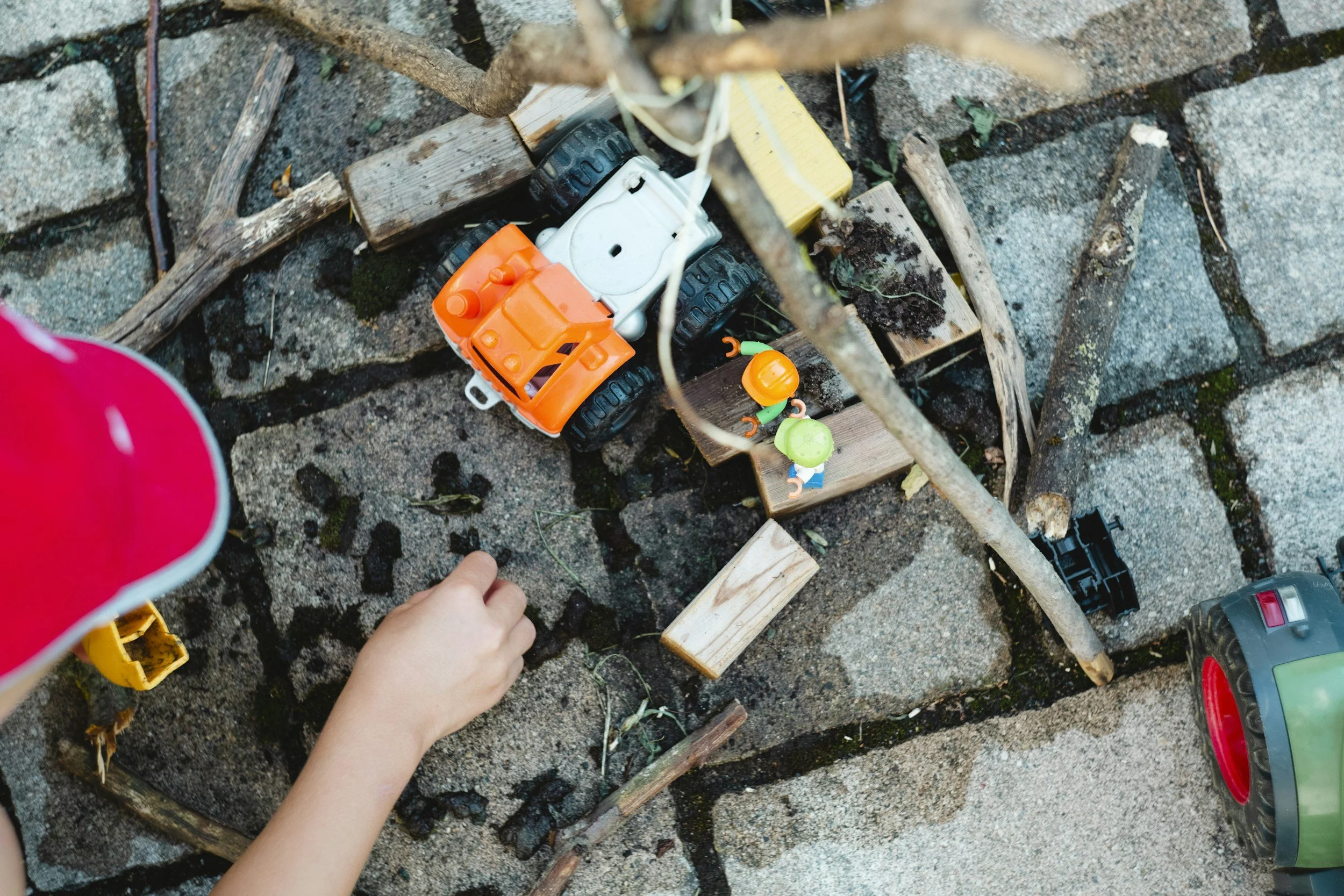
Children often communicate through what they do long before they can explain it in words. Through play, creativity, movement, and conversation, I help children explore what they’re experiencing, build emotional awareness and regulation, and develop new ways of navigating the things that feel hard.
Play-Based & Individual Therapy

Sometimes changing behavior starts with changing what happens in the relationship. Theraplay-informed work brings parents and children together through playful, engaging, and nurturing activities that build connection, trust, and felt safety. As children experience their parent as a source of safety, regulation, and shared joy, they can develop new ways of managing emotions, responding to limits, and navigating challenging moments.
Theraplay-Informed Parent-Child Work

You know your child better than anyone, but that doesn’t mean you’ll always know what to do. Parent sessions give us space to make sense of what you’re seeing, understand what may be underneath it, and find ways of responding that support both your child and your relationship.
Parent Support
Helping Your Child Feel More Capable in Their World
Therapy isn’t about changing who your child is. It’s about helping them better understand themselves, build skills for the things that are hard, and feel more confident navigating their world.
Our work may focus on:
—Big feelings, anxiety & emotional regulation
—Confidence & self-understanding
—School stress & learning differences
—Friendships, communication & relationships
—ADHD, autism & neurodivergent experiences
—Attention, organization & executive functioning
—Sensory needs & overwhelm
—Family changes, loss & transitions
You Don’t Have to Know Exactly What Your Child Needs Yet
Sometimes you know exactly what isn’t working, but you’re not sure what would actually help. That’s okay. We can start there.
A free consultation gives us a chance to talk about what you’ve been noticing, what your family has been navigating, and whether I might be a good fit for your child and family.